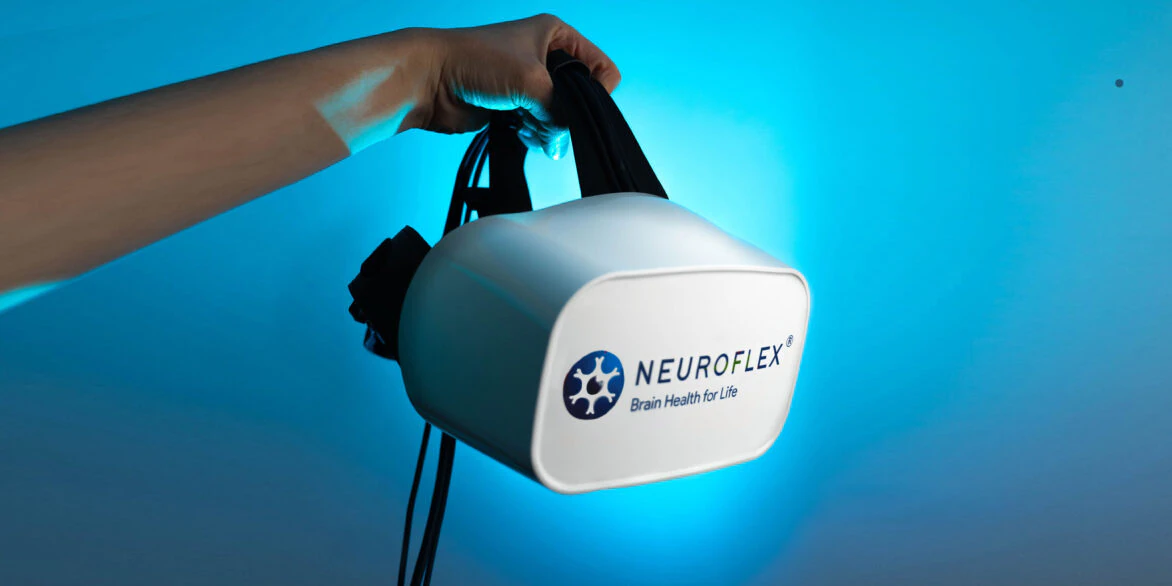
Vestibular-ocular motor dysfunction is common after concussion and therefore helps confirm diagnosis, but more importantly, vestibular-ocular motor dysfunction is associated with persistent symptoms and prolonged recovery. However, the good news is that vestibular-ocular treatments are some of the very best early interventions that improve outcomes. Currently, Your Brain Health uses both the Vestibular-Ocular Motor Screen (Symptom provocation) and NeuroFlex® (Objective measures) to help assess and monitor brain health and recovery. These assessments are delivered through a digital SCAT6 with built-in VOMS, enabling efficient and standardised vestibular-ocular screening alongside the broader concussion assessment.
Vestibular-Ocular tests involve many brain functions [1].
Vestibular-Ocular motor dysfunction is common after concussion, occurring in more than half of sports related concussion [2].
Vestibular-Ocular motor function can be tested with the Vestibular-Ocular Motor Screen (VOMS) and modified VOMS [3].
Vestibular-Ocular motor function can be tested objectively with Eye Tracking Software [4].
Objective head and eye-tracking technology provides quick objective information previously only available in research laboratories. Eye tracking technology is common in vestibular practice but in sporting practice it is just emerging [5].
Vestibular-Ocular motor signs and symptoms are associated with persistent symptoms and prolonged recovery [6,7].
Vestibular Rehabilitation combined with cervical and ocular training improves outcomes following concussion [8].
Early Vestibular Rehabilitation is better [9].
Associate Professor James McLoughlin, Co-Director, Your Brain Health
ScreenIT is the CISG-approved digital brain health assessment platform trusted by elite sport and clinical teams worldwide. Run SCAT6, SCOAT6, SMHAT-1 and 50+ validated screening tools with real-time scoring, longitudinal tracking, and automated reporting.